

Meet Angie Johnson, MFTi, at Gold Counseling in Draper, UT
Angie specializes in Cognitive Behavioral Therapy (CBT), Trauma-Informed Care, Attachment-Based Interventions, and Family Systems Therapy. She has extensive experience in working with youth and families and has supported children, adolescents, and parents through challenges related to emotional regulation, trauma, neurodiversity, family stress, behavior, grief, and interpersonal conflict. She has training in trauma treatment, neurobiology, emotionally focused approaches, mindfulness, and somatic perspectives on regulation and healing. Her goal is to create a supportive space where clients feel seen, understood, and empowered to move toward healing, stronger relationships, and a more integrated sense of self. For more information, contact us or book an appointment online. We are conveniently located at 121 W. Election Rd., Suite 110 – Draper, UT 84020. Angie serves patients throughout Salt Lake County, Northern Utah County, Holiday, South Jordan, West Jordan, Sandy, Draper, Midvale, Lehi, American Fork, Saratoga Springs, and Herriman. She also serves patients via telehealth throughout Utah, Arizona, Nevada, and Idaho.
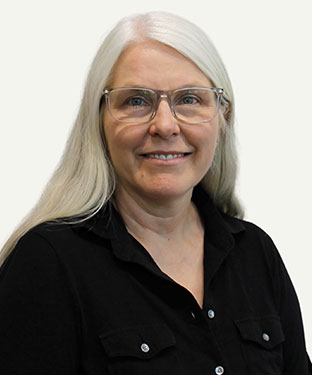
ANGIE JOHNSON, MFTi
Adults, Couples, Families, Teens, & Children (3+)
Anxiety, Academic Issues, ADHD, Attachment Issues, Communication, Depression, Divorce/Separation, Infidelity, Faith Crisis, Family Counseling, Financial Issues, Forgiveness, Grief/Loss, Guilt/Shame, Identity Development, Learning Disability, Life Coaching, Marital Difficulties, Motivation, Parenting Issues, Perfectionism, Procrastination, Relationship Issues, Self-Esteem, Stress Management, Work/Career Issues, Trauma, Trust Issues
Table of Contents:
What led Angie to her career in mental health counseling?
What work experience and populations does Angie serve?
What areas does Angie specialize in?
What techniques do I use to achieve my own positive mental health?
My hobbies, interests, and fun facts about me:
My therapeutic approach and philosophy:
Angie is currently pursuing a Master’s degree in Marriage and Family Therapy at Touro University. She holds a Bachelor of Science in Microbiology and a Master of Education in Mathematics Education, and she has spent many years working in education, leadership, and service to children and families. Through her work supporting students, parents, and educators, she became increasingly interested in the ways relationships, attachment, trauma, and life experiences shape emotional well-being. This led her to pursue a career in marriage and family therapy, where she can help individuals, couples, and families heal, grow, and strengthen their relationships.
Professionally, Angie has extensive experience working in educational leadership and with youth and families in school settings. She has supported children, adolescents, parents, and educators through challenges related to emotional regulation, trauma, neurodiversity, family stress, behavior, grief, and interpersonal conflict. She especially enjoys working with adolescents, parents, couples, and individuals navigating trauma, relationship difficulties, identity development, and major life changes. Her background in education and systems-based thinking informs her collaborative and compassionate approach to therapy.
Her areas of interest include trauma-informed care, attachment-based interventions, betrayal trauma, family systems therapy, and the impact of early childhood experiences on later emotional functioning and relationships. She has completed coursework in trauma treatment, neurobiology, emotionally focused approaches, mindfulness, and somatic perspectives on regulation and healing. She is particularly interested in integrating relational, developmental, and neurobiological perspectives into therapy.
Outside of work and school, I prioritize my own mental health through connection with family and friends, time in nature, reading, music, travel, and maintaining meaningful community involvement. I also value reflection, mindfulness, a good sense of humor, and continuing to learn and grow personally and professionally. I believe that balance, curiosity, and strong relationships are essential parts of emotional well-being.
In my free time, I enjoy spending time with my family, traveling, cooking, philosophizing, reading, and being involved in meaningful conversations about human behavior, relationships, and personal growth. I also love creating welcoming spaces where people feel comfortable being themselves. One of my favorite things is bringing people together through learning, connection, and shared experiences.
“My therapeutic approach is warm, collaborative, trauma-informed, and grounded in systems thinking. I believe that many emotional struggles make sense within the context of life experiences, relationships, and environments, and I strive to help clients understand themselves with greater compassion rather than shame. I value authenticity, curiosity, humor, and emotional safety in the therapy process. My goal is to create a supportive space where clients feel seen, understood, and empowered to move toward healing, stronger relationships, and a more integrated sense of self.”


 Send Text
 How May I Help You?