

Meet Julina Hall, CMHCi, at Gold Counseling in Kaysville, UT
Julina specializes in Cognitive Behavioral Therapy (CBT), Dialectical Behavior Therapy (DBT), and Solution-Focused therapy. She is a certified Integrated Attachment theory Relationship Coach and is pursuing additional training in Emotionally Focused Couples Therapy to further deepen her work with couples and relationship issues. She is also passionate about serving men and has a unique ability to connect with men who may feel isolated or misunderstood. Julina approaches her clients with compassion, curiosity, and a genuine desire to understand the unique story behind their struggles. For more information, contact us or book an appointment online. We are conveniently located at 498 N. Kays Drive, Suite 210, Kaysville, UT 84037. Julina serves patients throughout Davis County and South Weber County. She also serves patients via telehealth throughout Utah, Arizona, Nevada and Idaho.
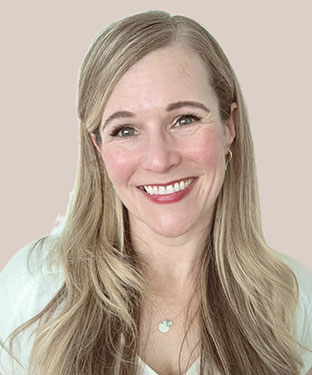
JULINA HALL, CMHCi
Adults, Couples, Young Adults & Older Teens (16+)
Anxiety, Attachment Concerns, Belonging, Betrayal Trauma, Communication, Couples Therapy, Daily Life Challenges, Depression, Divorce Navigation, Faith Transitions, Identity, Life Transitions, Major Life Changes, Marriage, Men’s Therapy, Personal Growth, Relationship Challenges, Religious Trauma Recovery, Self-Worth, Trauma
Table of Contents:
What lead Julina to her career in mental health counseling?
What work experience and populations does Julina serve?
What areas does Julina specialize in?
What techniques do I use to achieve my own positive mental health?
My hobbies, interests, and fun facts about me:
My therapeutic approach and philosophy:
Julina’s path into counseling has been anything but linear, though in hindsight it feels remarkably consistent. She has always been fascinated by human behavior, relationships, and the stories people carry. That curiosity first led her into the performing arts, where she earned a Bachelor’s degree in Theater and Film Studies and began her career as a casting director in the film industry. Casting taught her how to recognize people’s strengths, see potential others sometimes couldn’t see in themselves, and appreciate the complexity behind every person’s story.
Over time, she found herself wanting to do more than help people find roles – she wanted to help people find themselves. That desire led her into education, where she spent years teaching middle school, high school, and college students. Teaching deepened her love of learning and strengthened her ability to translate complex ideas into practical tools that people could apply to their everyday lives.
Her own life experiences eventually led her to therapy, and therapy changed the trajectory of her life. Growing up within a narcissistically abusive family system, she experienced firsthand the impact that unhealthy relational patterns can have across generations. Through her own therapeutic work, she learned that healing isn’t simply about symptom reduction. It’s about understanding yourself more deeply, strengthening your relationships, and creating a different future than the one your inherited.
Those experiences ultimately inspired her to pursue a degree in Clinical Mental Health Counseling. Today, she views her work as an opportunity to help others navigate life’s challenges while creating the kind of healing and growth that can ripple across generations.
Julina enjoys working with individuals and couples navigating attachment wounds, relationship challenges, life transitions, and questions of identity and belonging. She has experience supporting clients through faith transitions, religious trauma, betrayal trauma, divorce, and the complex process of rebuilding trust in themselves and others.
She also enjoys working with older teens and young adults who are developing social confidence, navigating relationships, and learning how to better understand themselves during important developmental stages.
One population Julina feels especially passionate about serving is men. She has a unique ability to connect with men who may feel misunderstood, isolated, or uncertain about how to navigate emotional and relational challenges. She helps clients develop healthier communication skills, stronger emotional awareness, and deeper, more meaningful relationships while honoring their strengths and lived experiences.
Regardless of the presenting concern, Julina approaches her clients with compassion, curiosity, and a genuine desire to understand the unique story behind their struggles.
Julina specializes in attachment-related concerns, relationship dynamics, faith transitions, religious trauma recovery, betrayal trauma, and divorce navigation.
She is a certified Integrated Attachment Theory Relationship Coach and has extensive training in understanding how attachment patterns influence both individual well-being and relationship functioning. She is also pursuing additional training in Emotionally Focused Couples Therapy to further deepen her work with couples and relationship issues.
Her years of experience teaching in schools and at the college level have also given her a natural ability to connect with teenagers and young adults, helping them understand complex emotional and relational concepts in practical and accessible ways.
Her clinical work integrates attachment theory, Emotionally Focused Therapy, Person-Centered Therapy, Cognitive Behavioral Therapy (CBT), Dialectical Behavior Therapy (DBT), and Solution-Focused Therapy
One practice that has profoundly influenced my life is something I call Self-Attunement.
For me, Self-Attunement means learning to listen inward with compassion and curiosity rather than criticism. It means paying attention to my emotions, exploring the meanings I may unconsciously attach to my experiences, and developing a deeper understanding of my own needs. I’ve found that the more I understand myself, the easier it becomes to communicate those needs and create healthier relationships.
Mindfulness also plays an important role in my well-being. I find that yoga helps me reconnect with my body and stay present in the moment. Journaling has become one of my favorite ways to process experiences, organize my thoughts, and gain clarity.
I’ve also learned not to underestimate the simple things. Regular exercise, spending time outdoors, getting sunlight, and taking care of my physical health have a significant impact on my mood, energy, and overall mental wellness.
Most importantly, I’ve learned that positive mental health isn’t about being happy all the time. It’s about learning how to stay connected to yourself with compassion, even during difficult seasons of life.
I’m a lifelong student of human behavior and psychology. I genuinely love learning about why people do what they do and how we grow, heal, and connect with one another.
I have two young adult children whom I absolutely love spending time with. Outside of work, you’ll often find me practicing yoga, exercising, riding my bike, or hiking with my dog.
I also love creating beautiful spaces. My apartment is filled with live plants, twinkle lights, and artwork that bring me joy and make my home feel warm and inviting.
And while I spend a lot of time studying psychology, I have to admit that I also enjoy true-crime documentaries, perhaps a little more than I should.
I believe that people are far more resilient than they often realize.
I don’t see people as broken. More often, I see people who have developed creative and adaptive ways of surviving difficult experiences. Sometimes those adaptations look like people-pleasing. Sometimes they look like perfectionism, emotional withdrawal, self-criticism, or struggling to trust others. At some point those strategies likely served an important purpose.
Rather than asking, “What’s wrong with you?”, I find it more helpful to ask, “What happened that made this response necessary?”
My therapeutic philosophy aligns closely with Existential Therapy, which emphasizes self-direction, personal meaning, authenticity, and the freedom to create a life that reflects one’s own values. I believe each person has an innate capacity for growth, resilience, and healing.
My clinical approachis primarily person-centered and emotion-focused. I strive to create a therapeutic relationship where clients feel genuinely seen, understood, and accepted. I believe meaningful change often happens when people feel safe enough to explore their emotions rather than avoid them.
I also integrate practical tools from CBT, DBT, and Solution-Focused Therapy to help clients create meaningful change in their daily lives. These approaches can help people strengthen self-awareness, improve emotional regulation, communicate more effectively, and develop healthier relationships.
Therapy with me is collaborative, compassionate, and curious. We move at a pace that feels safe and sustainable. Together, we explore the patterns that continue to show up in your life and relationships, deepen your understanding of yourself, and build on the strengths you already possess.
My goal isn’t to tell you who you should become. It’s to help you reconnect with who you already are beneath the fears, adaptations, and stories that no longer serve you, so you can create a life and relationships that feel more authentic, meaningful, and fulfilling.


 Send Text
 How May I Help You?